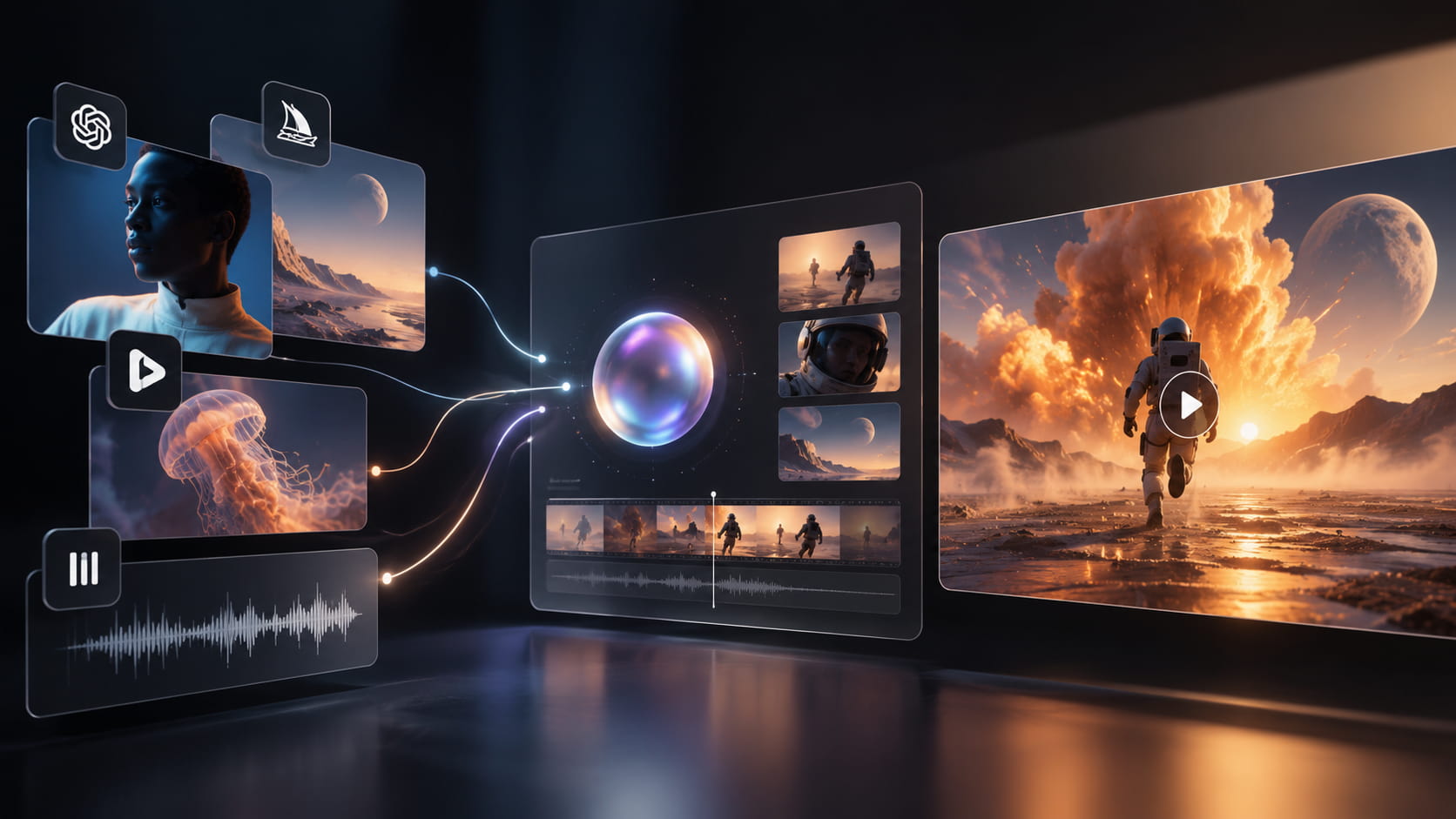
AI video generation has evolved at an impressive pace. And we’re using it more and more to enrich the web experiences we create at the agency. Because beyond the new models, which keep offering more quality and control, there are also more and more tools making AI video creation accessible.
Here are 5 tools we’re keeping a close eye on this year.
ElevenLabs
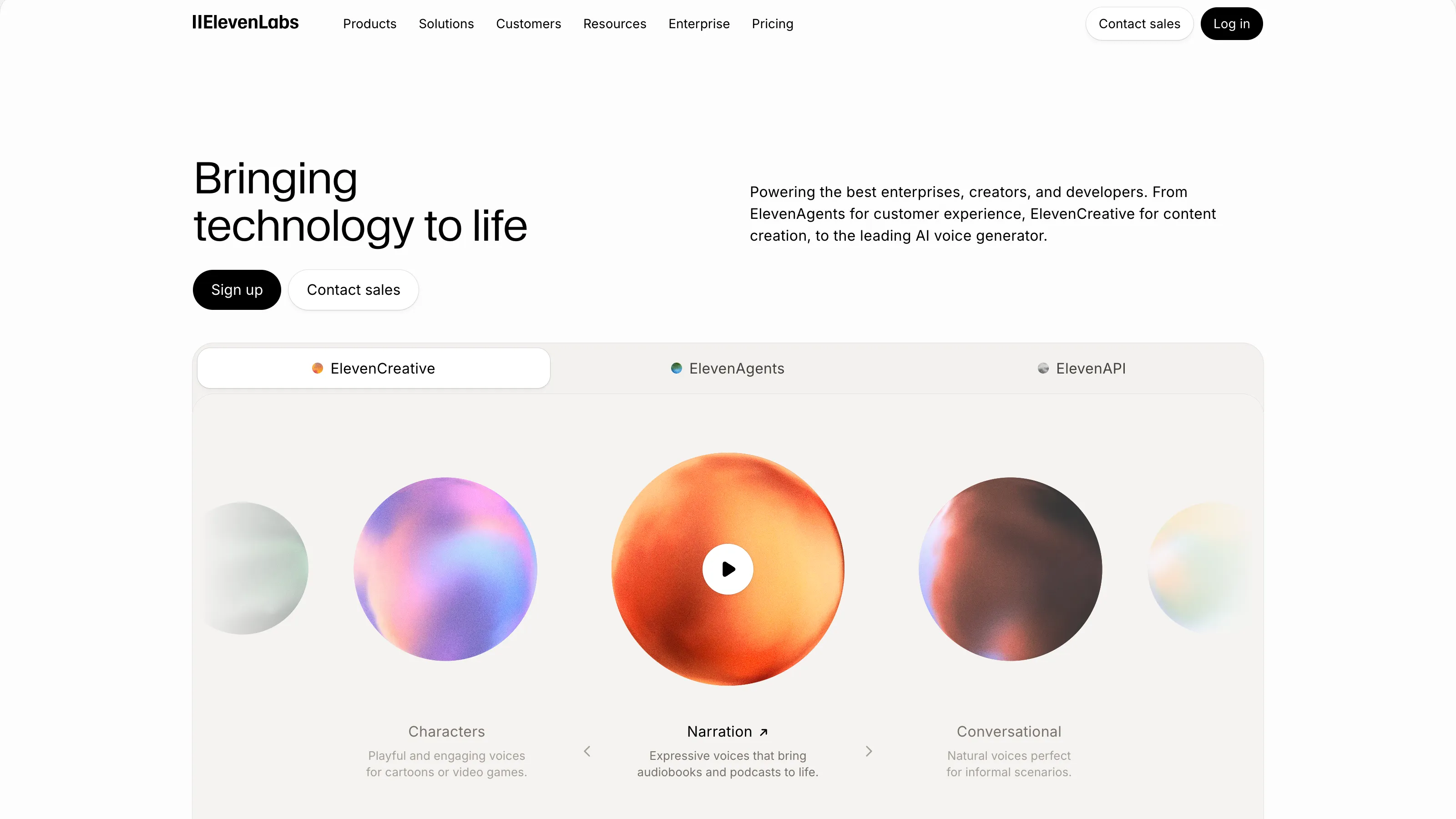
One of the most popular tools right now, with a very aggressive marketing strategy. After dominating voice, ElevenLabs is now moving into video, giving users access to the leading models on the market through a simple interface.
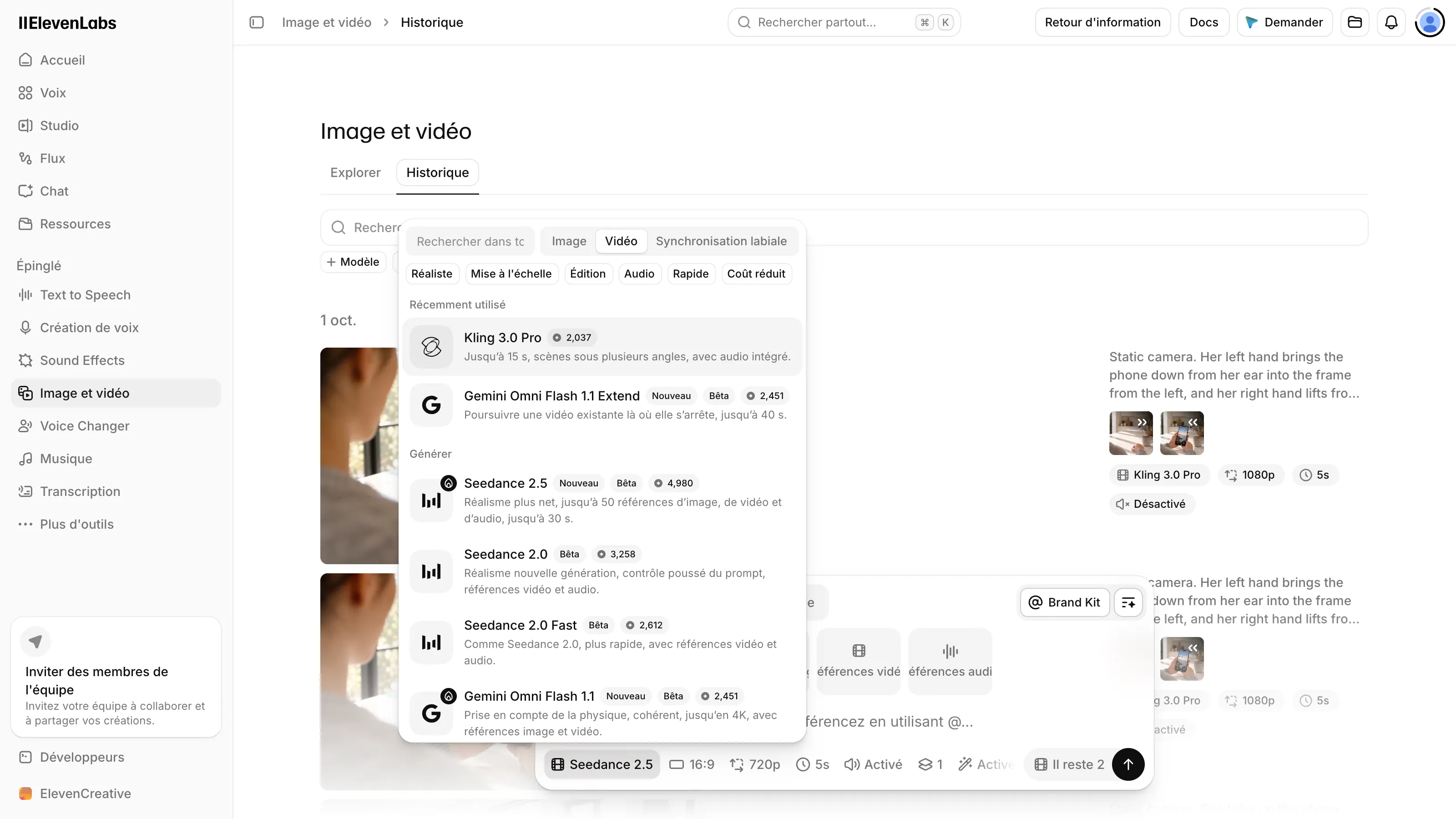
See how we used ElevenLabs to generate a video for Vocca’s website →
Figma Weave (ex-Weavy)
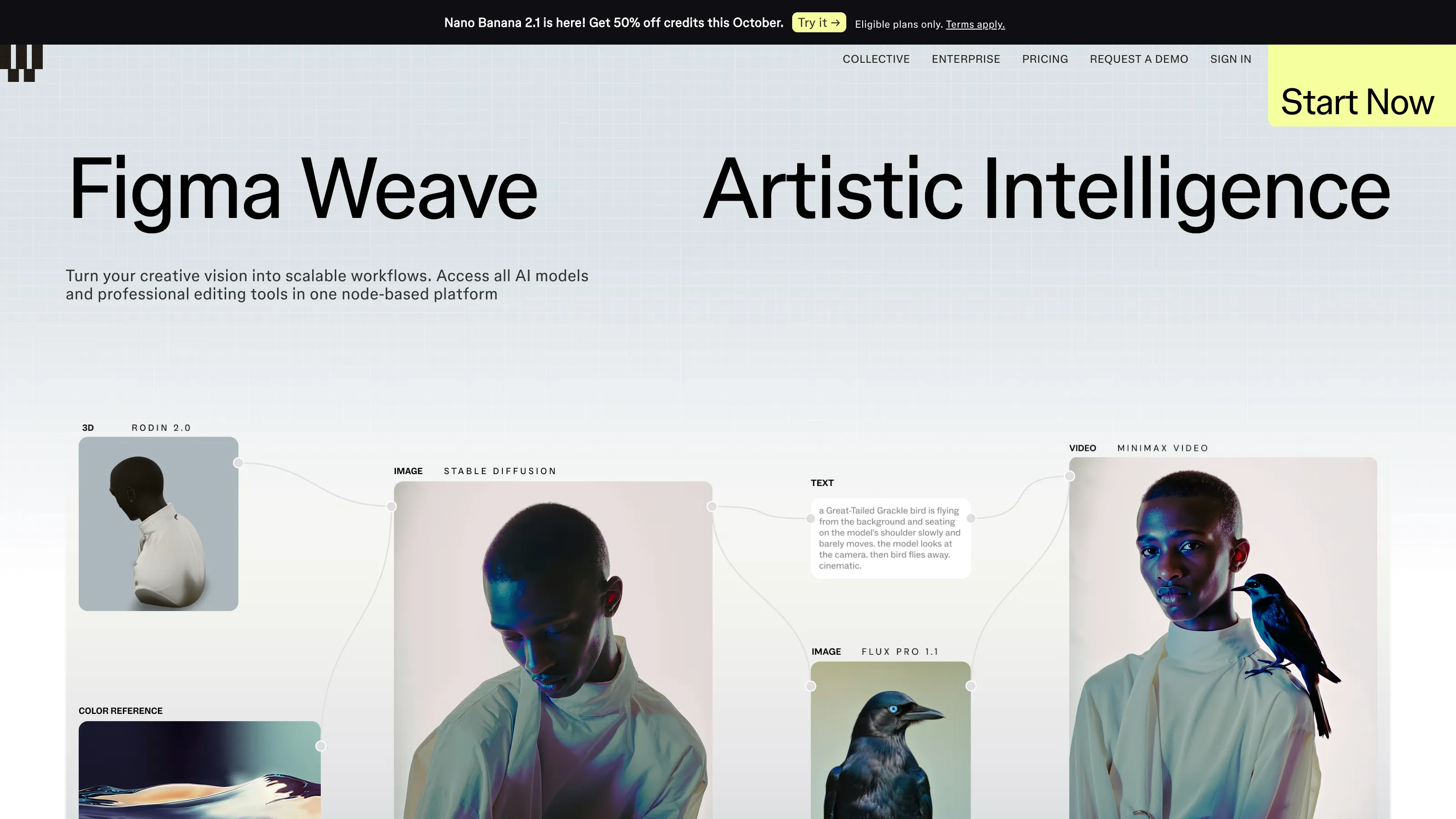
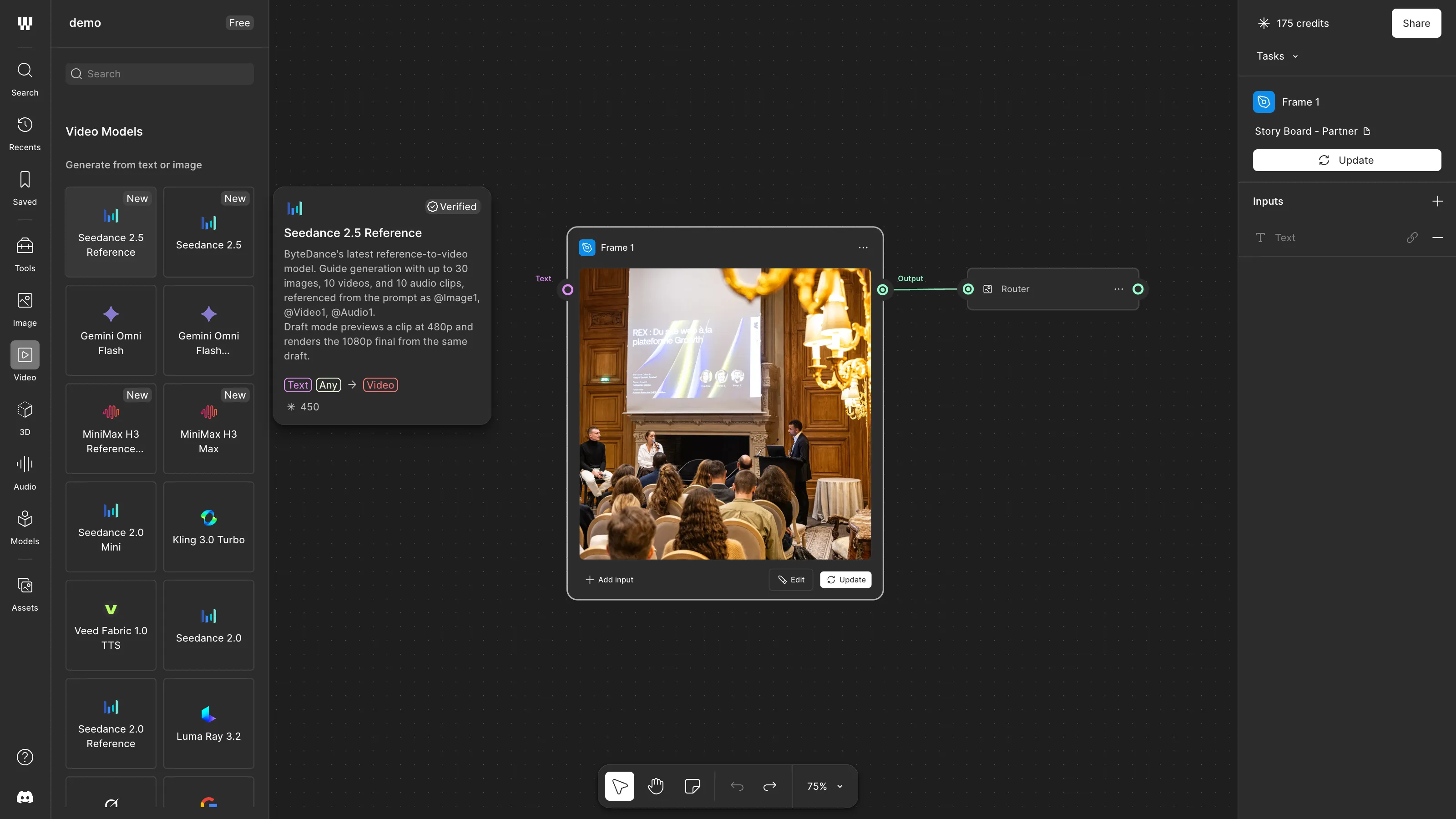
A super interesting approach for creatives, directly integrated into Figma. Its node-based interface lets you combine multiple AI models and tools within the same workflow, while connecting them directly to the frames in your Figma designs.
Higgsfield
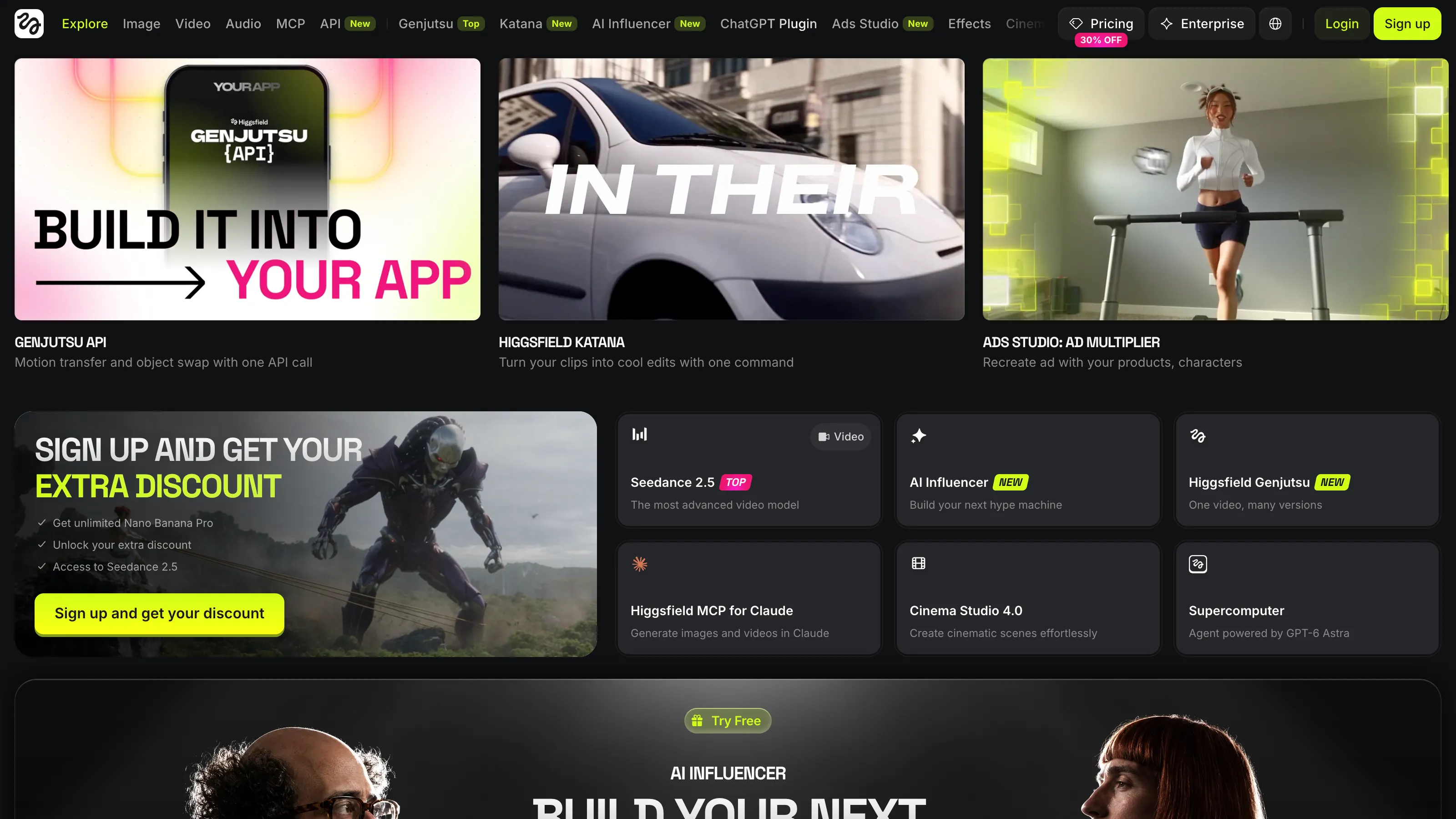
A particularly interesting tool for generating highly cinematic videos, with a strong focus on camera movements, effects, and control over the final output. We regularly see impressive results on X, especially with prompts refined using Claude.
The tool is also increasingly being used to generate 100% AI product placements for social media, particularly TikTok.
Magnific (ex-Freepik)
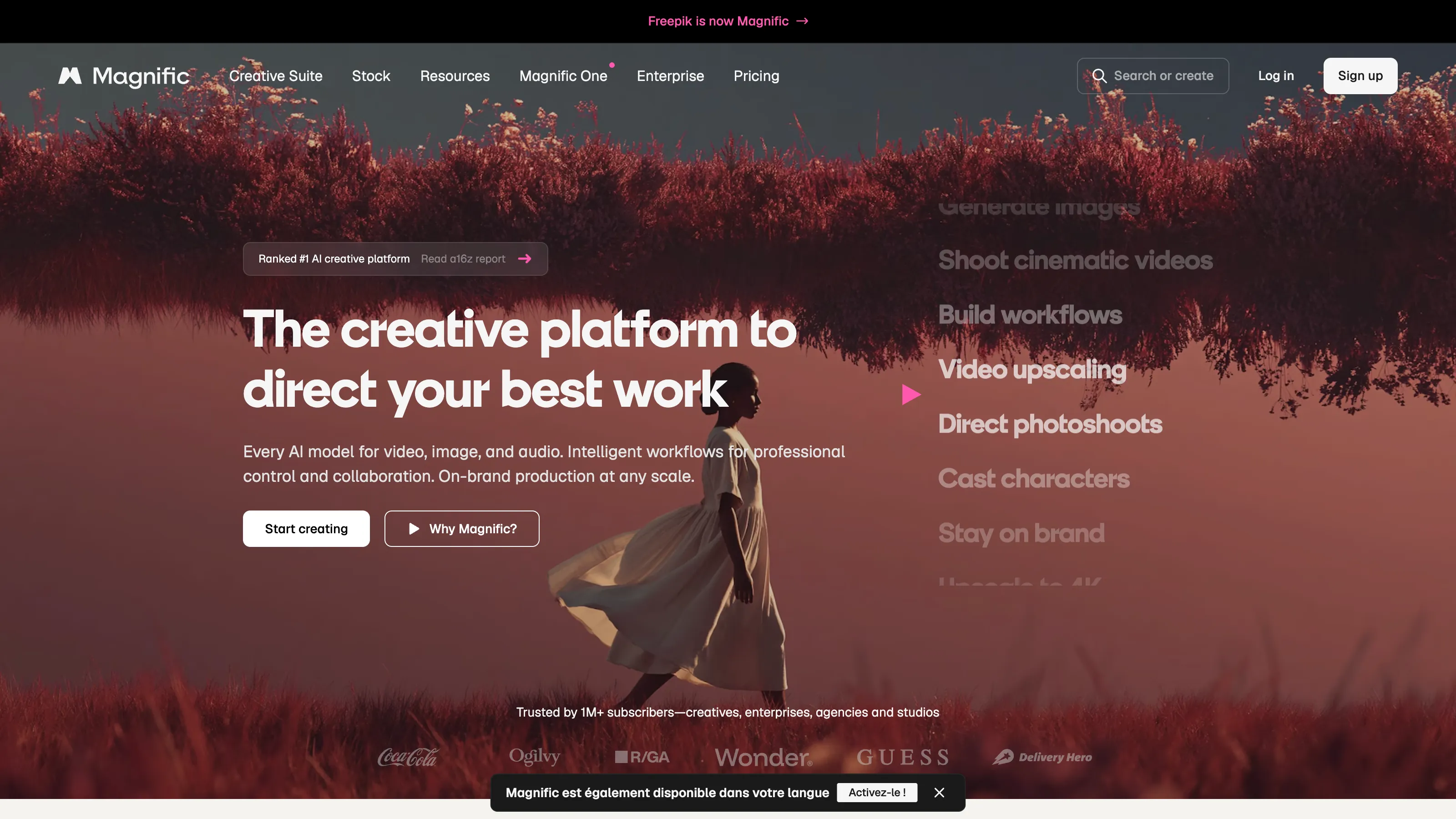
One of the most interesting repositionings in recent years. The former stock image platform Freepik has become Magnific: a complete creative platform bringing together image, video, and audio generation, editing, and upscaling.
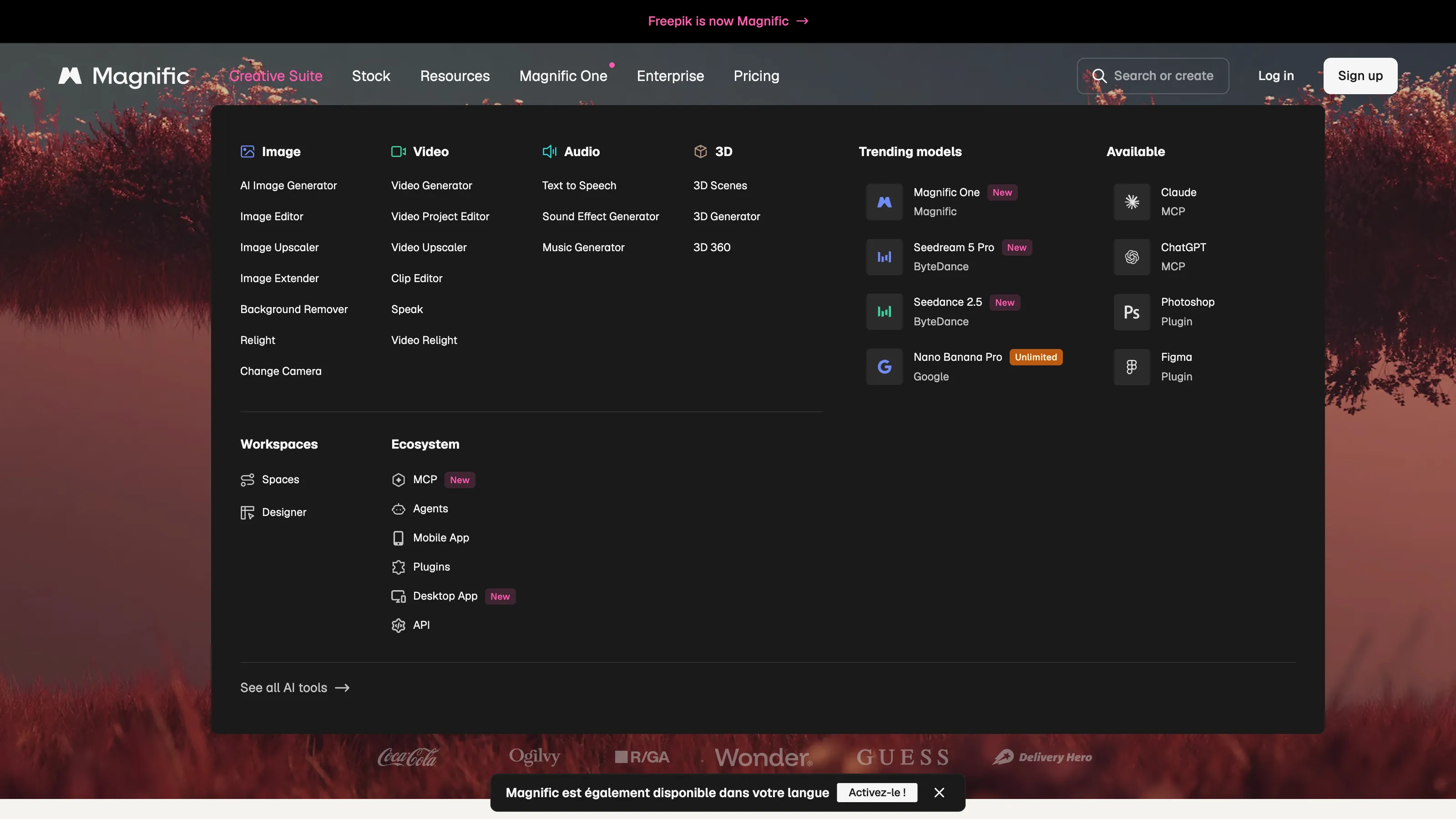
A great adaptation to the way the market is evolving, making it clearly one to watch.
Runway
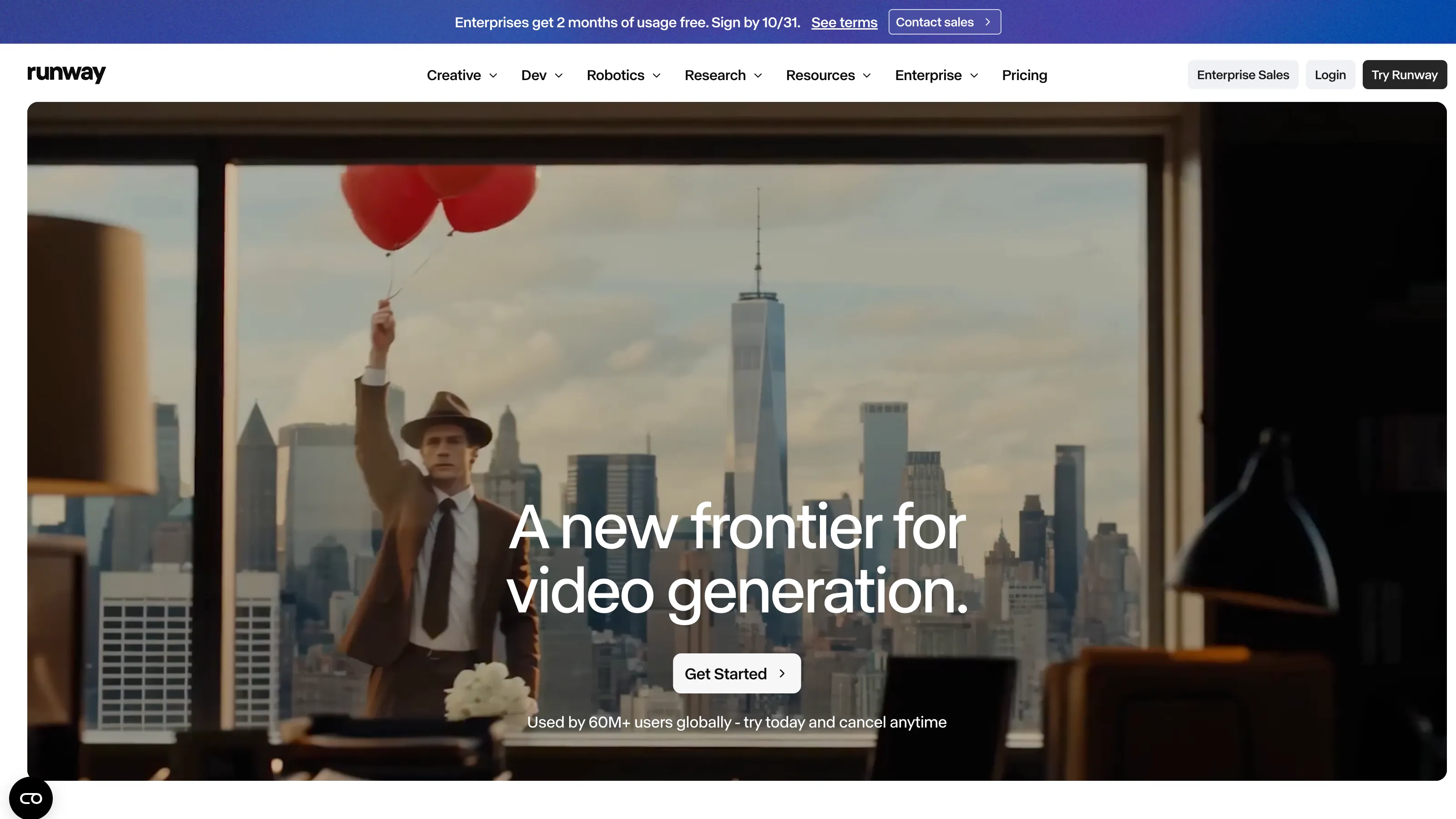
One of the early players in AI video, continuing to innovate with increasingly advanced models and a complete suite for producing, editing, and iterating.
Bonus: CapCut AI
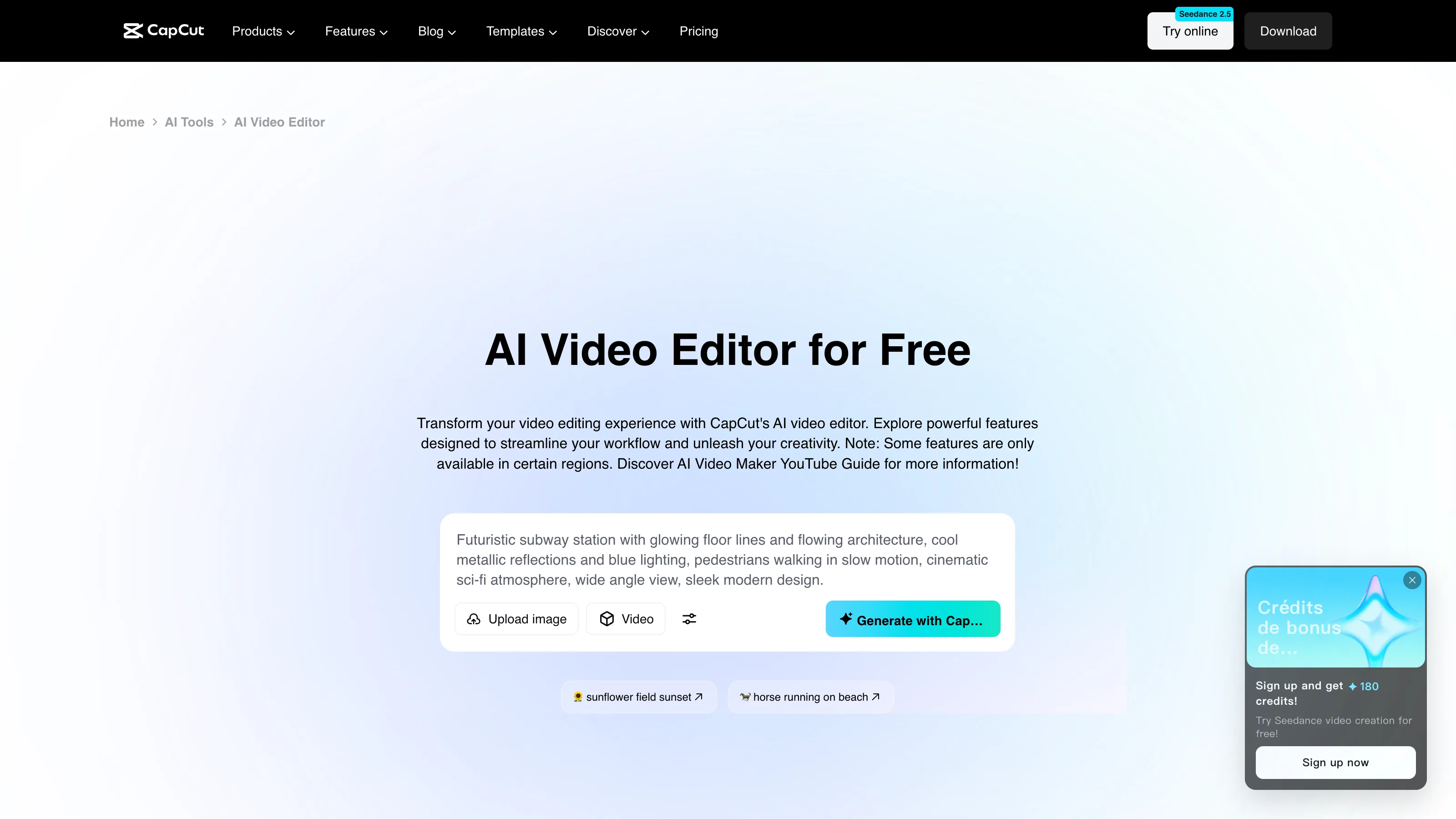
A cost-effective option in terms of credits, ideal for making adjustments, testing ideas, or quickly prototyping before moving on to more advanced models.
Conclusion
AI video is no longer just in the experimentation phase. It is gradually becoming a real production tool, particularly for creating richer web experiences without the constraints of traditional video production.
And given how quickly models and tools are evolving, we can expect to integrate it more and more into our everyday workflows.




.webp)