Introduction
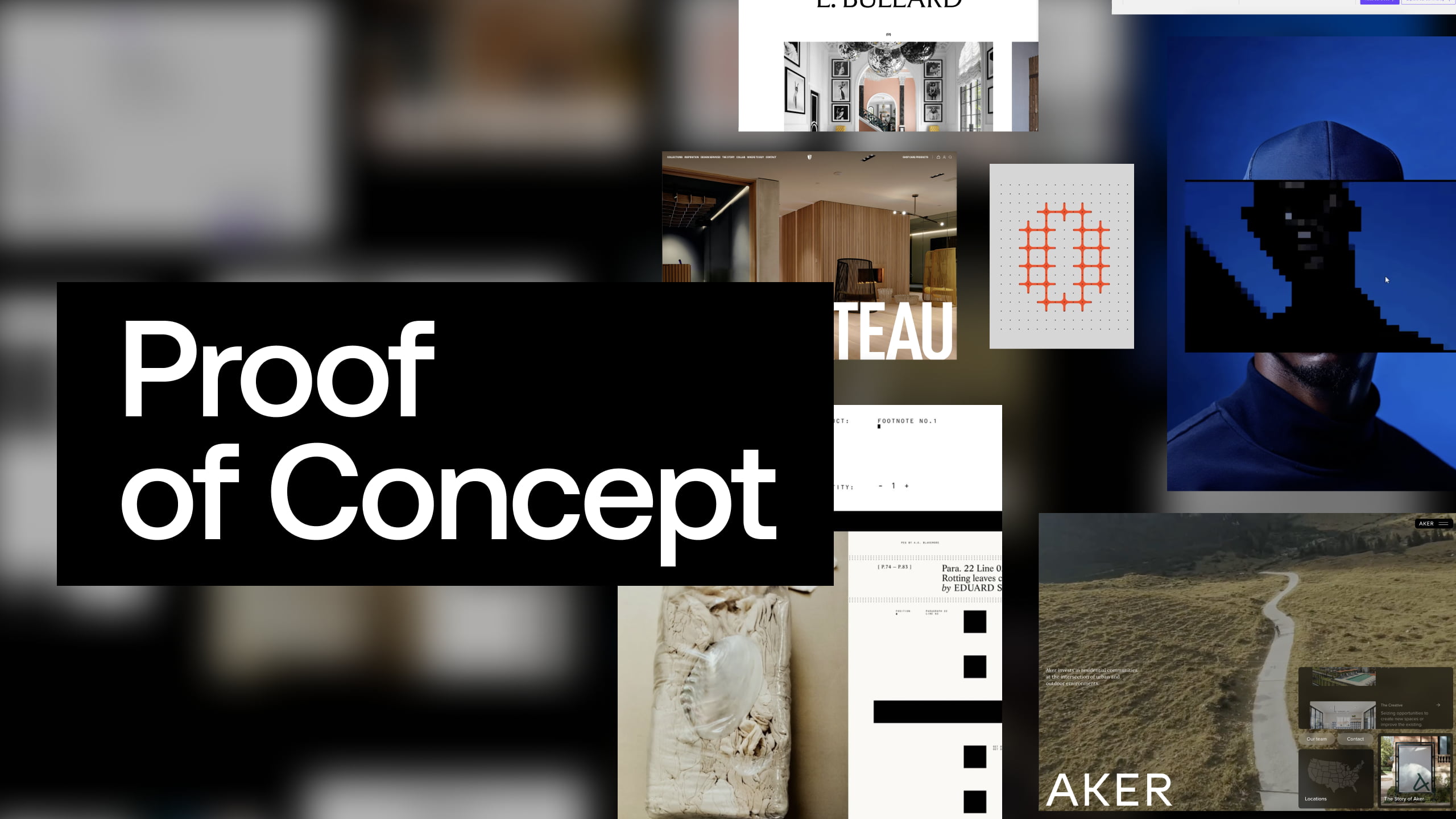
When selecting an agency or a technology for a website redesign, it can sometimes be difficult to project yourself based solely on past work. And before investing time, energy, and budget into a new direction or a migration, going through a Proof of Concept phase can be a safer approach.
This is a service we regularly deliver at Digidop, and one we detail in this article.
What is a Proof of Concept (POC)?
A Proof of Concept is generally a projected deliverable (design or technical) used to validate a vision or the technical feasibility of a project.
It is not a first functional version intended to be released to the market (unlike an MVP), but rather a test version that helps stakeholders project themselves into the collaboration and the future delivery of the project.
Proofs of Concept are usually launched very early in the decision-making process, in order to reduce risk and accelerate decisions.
The two main types of POC
For a web agency, Proofs of Concept are generally either design-focused, technical, or sometimes both.
Option 1: Design POC (Concept validation)
👉 Objective: validate an art direction and an experience
At this stage, through visual projections, clients can explore different visual universes and assess the agency’s vision and creative capabilities.
Typical use cases: rebranding, innovation, premium positioning, or highly differentiated brand strategies.
Option 2: Technical POC (Technical feasibility)
This phase is generally used for migrations, to ensure that the technology can support the technical needs of the marketing team, or for complex projects, to validate their feasibility.
Typical use cases: complex API integrations, no-code / low-code stacks, automation, CMS migrations.
.webp)
What a good POC must include
- A clear and deliberately limited scope
- Success criteria defined in advance
- A defined timeframe for the allocated effort
Common mistakes to avoid
- Not defining what you are trying to validate
- Testing too many things at the same time
- Treating the POC as the final product
Examples of POCs delivered by Digidop
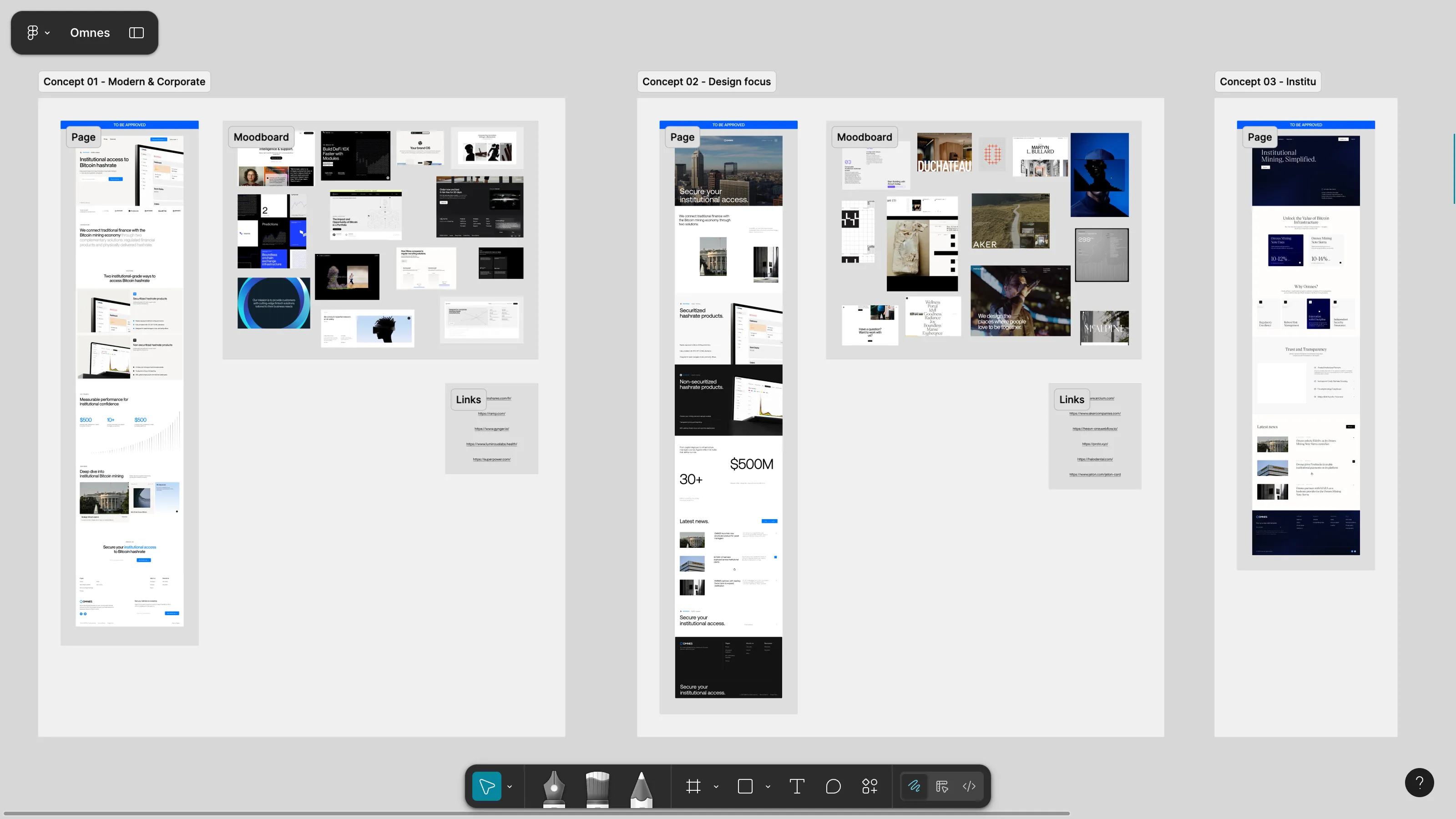
Example 1: Art direction validation for Omnes
Before committing to a specific visual universe, Omnes’ teams asked us to test and project several design hypotheses.
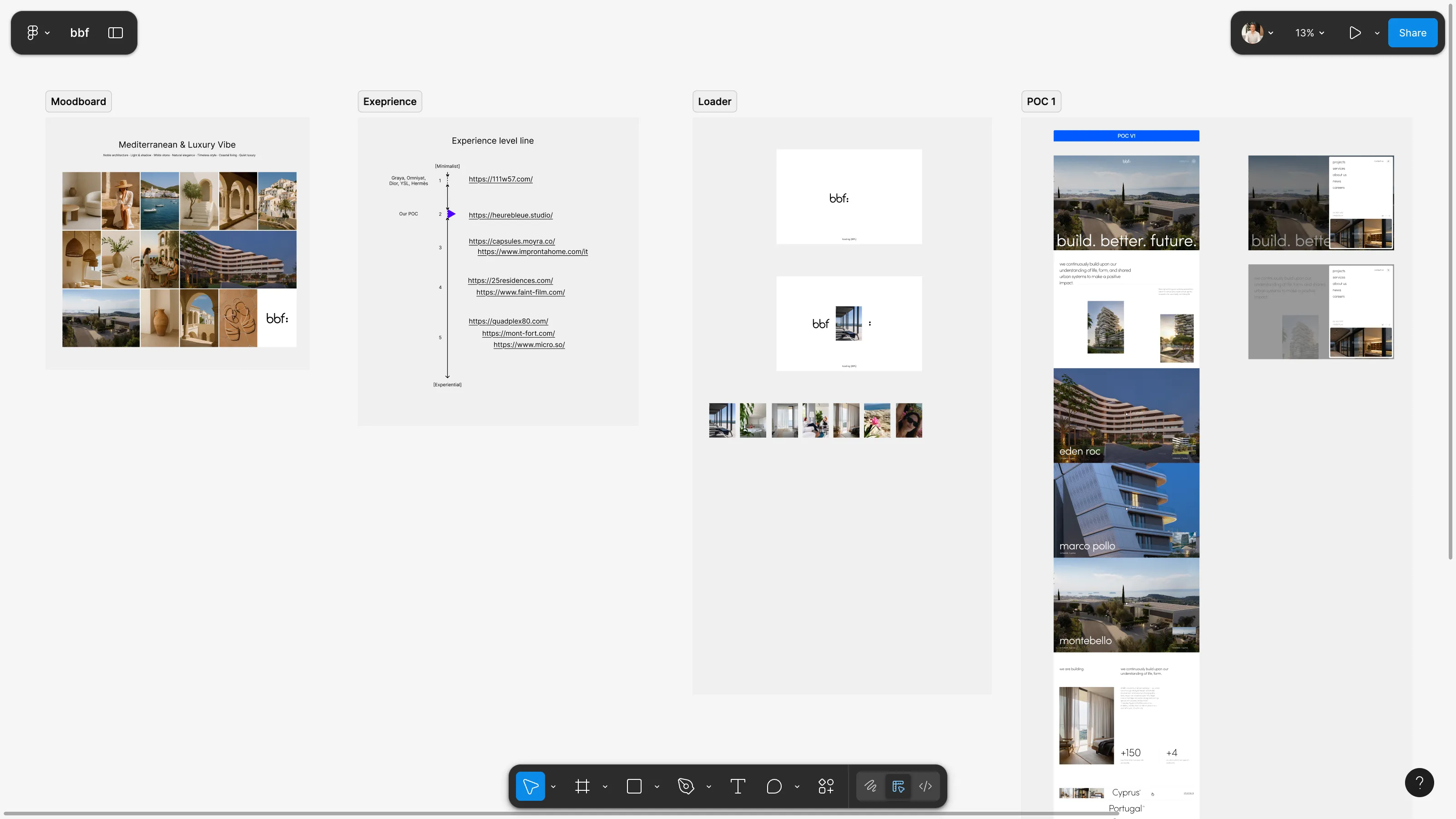
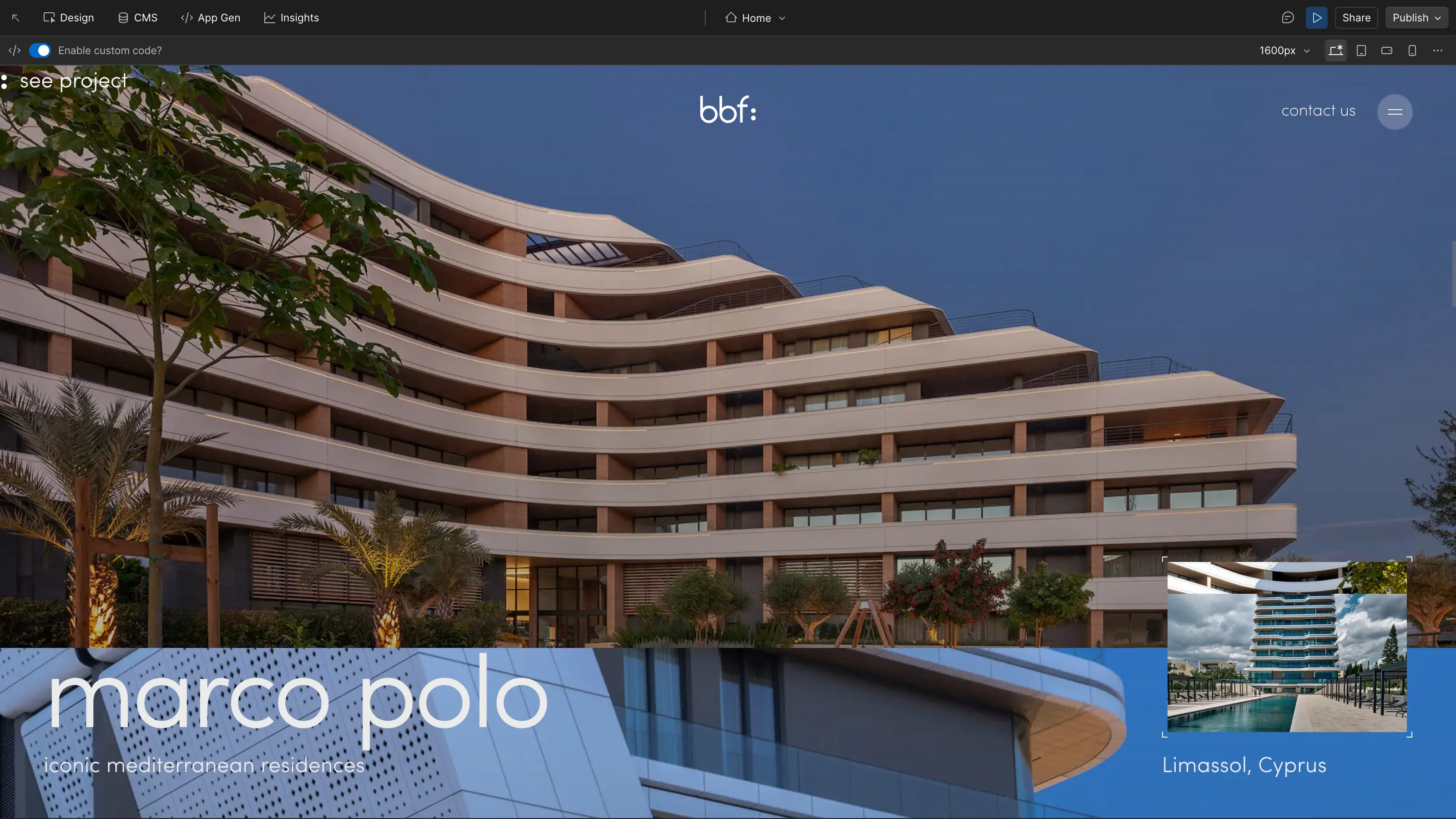
Example 2: Experiential landing page projection on Webflow for BBF
To create something unique and truly differentiating, BBF’s teams challenged us to design an experiential landing page reflecting the agency’s unique positioning.
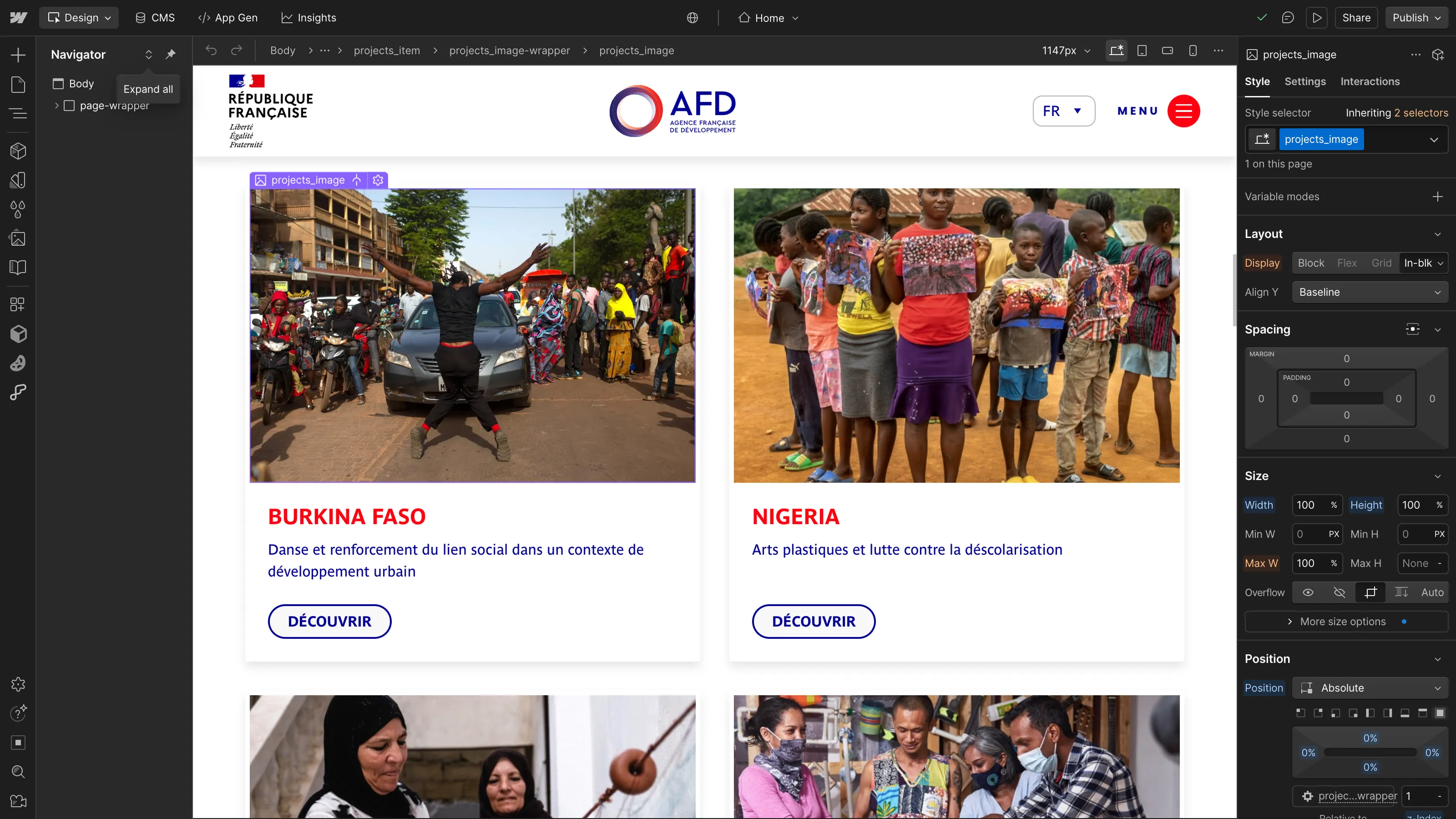
Example 3: Technical migration to Webflow for AFD
A pixel-perfect reproduction of the existing website built on Webflow, designed to demonstrate the technical capabilities of the CMS and the platform.
Conclusion
A Proof of Concept helps ensure that the vision proposed by an agency aligns with your expectations before committing to further investment. Whether design-led or technical, it brings clarity, reduces risk, and secures decision-making. POCs are particularly valuable in migration projects, such as moving from WordPress to Webflow, when questions remain around expected features or technical capabilities.
If you’d like to learn more or assess whether a POC would be relevant for your project, feel free to contact one of our sales representatives to discuss it.


.webp)