.jpg)
In 2026, headless is in the spotlight in tech. After the momentum of no-code/low-code, vibe-coding has given code a second wind, and many websites are now being built with Claude Code or Lovable.
But once the foundation is developed, one question arises: what about delivering content at scale on an agile and AI-first stack?
And that’s exactly where a good headless CMS comes in.
What is a headless CMS?
A headless CMS separates the back-end (content management) from the front-end (display), unlike a traditional CMS like Webflow where both are connected.
With a headless CMS, content is stored and exposed via an API, and can be freely delivered to any front (website, mobile app, etc.) with a high level of flexibility.
How to choose a headless CMS? (before comparing)
Choosing a headless CMS is not about “which is the best”, but rather “which is the most suited to your stack, your team, and your content management needs”. So… as always, it depends :)
Before comparing, here are a few questions to ask yourself:
→ What is the complexity of my content model?
(simple vs structured content, relationships, multi-types, reuse by AI)
→ Who produces and updates the content?
(agents, marketing team, product, growth… or hybrid orchestration)
→ What level of autonomy/control for marketing?
(visual editing, preview, workflows vs dependency on devs)
→ What is my front-end stack (and its role with AI)?
(Next.js, Webflow, front generated via Claude → need for a solid API-first CMS)
→ Does my content need to be scalable and multi-channel?
(multi-language, multi-sites, apps, AI agents, omnichannel distribution)
6 "of the best" headless CMS in 2026
1. Sanity: The most complete and flexible
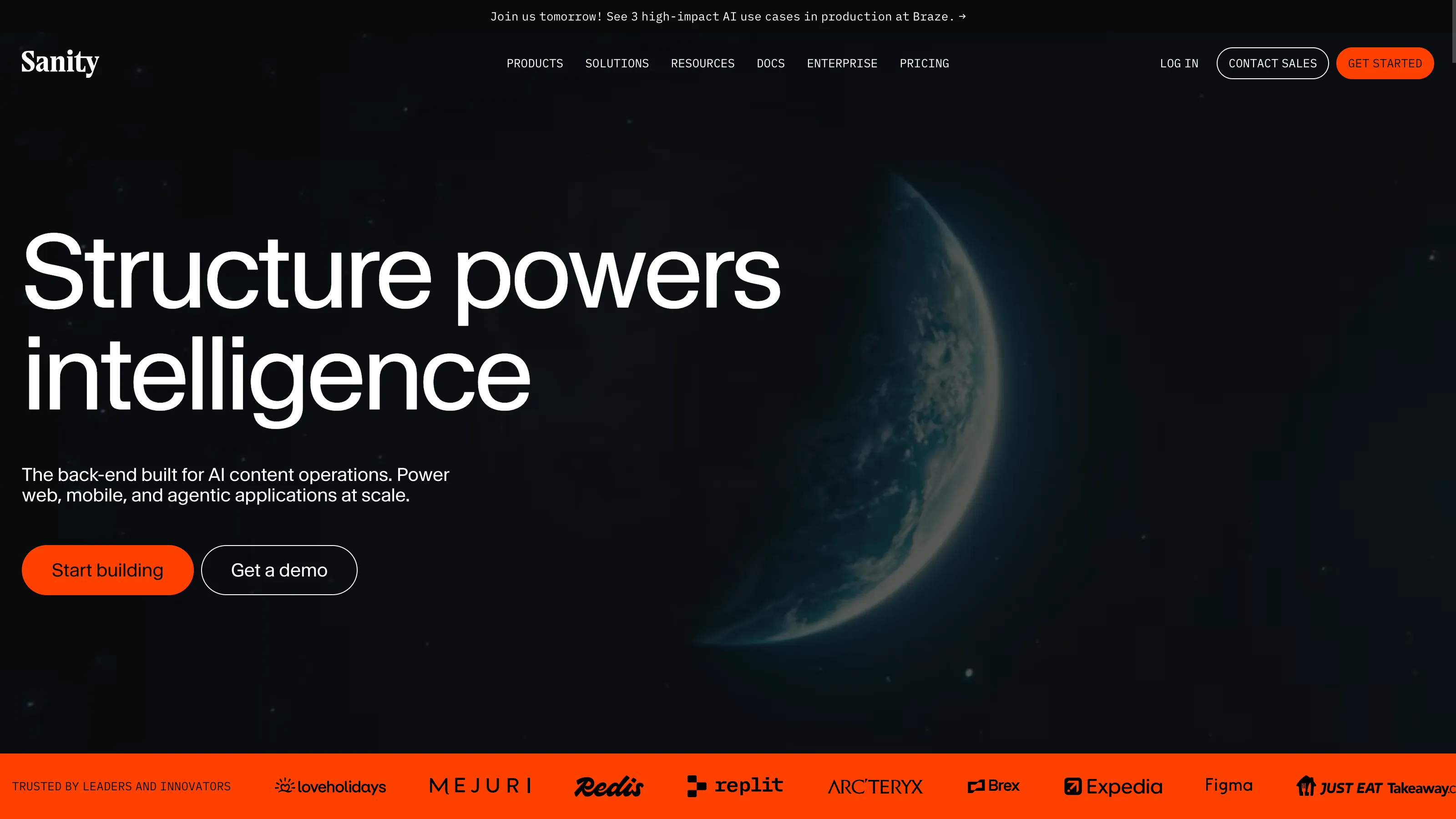
Sanity has been gaining popularity over the past few years and is gradually becoming the go-to choice for modern stacks.
Why?
- Ultra-flexible content modeling
- Native collaboration
- Perfect for complex content
- Very strong fit with AI and automation
And on top of that, Sanity has a very accurate marketing positioning that resonates: “The Content Operating System for the AI era”
Best for: SaaS products, platforms, high-volume structured content.
2. Contentful: The enterprise standard
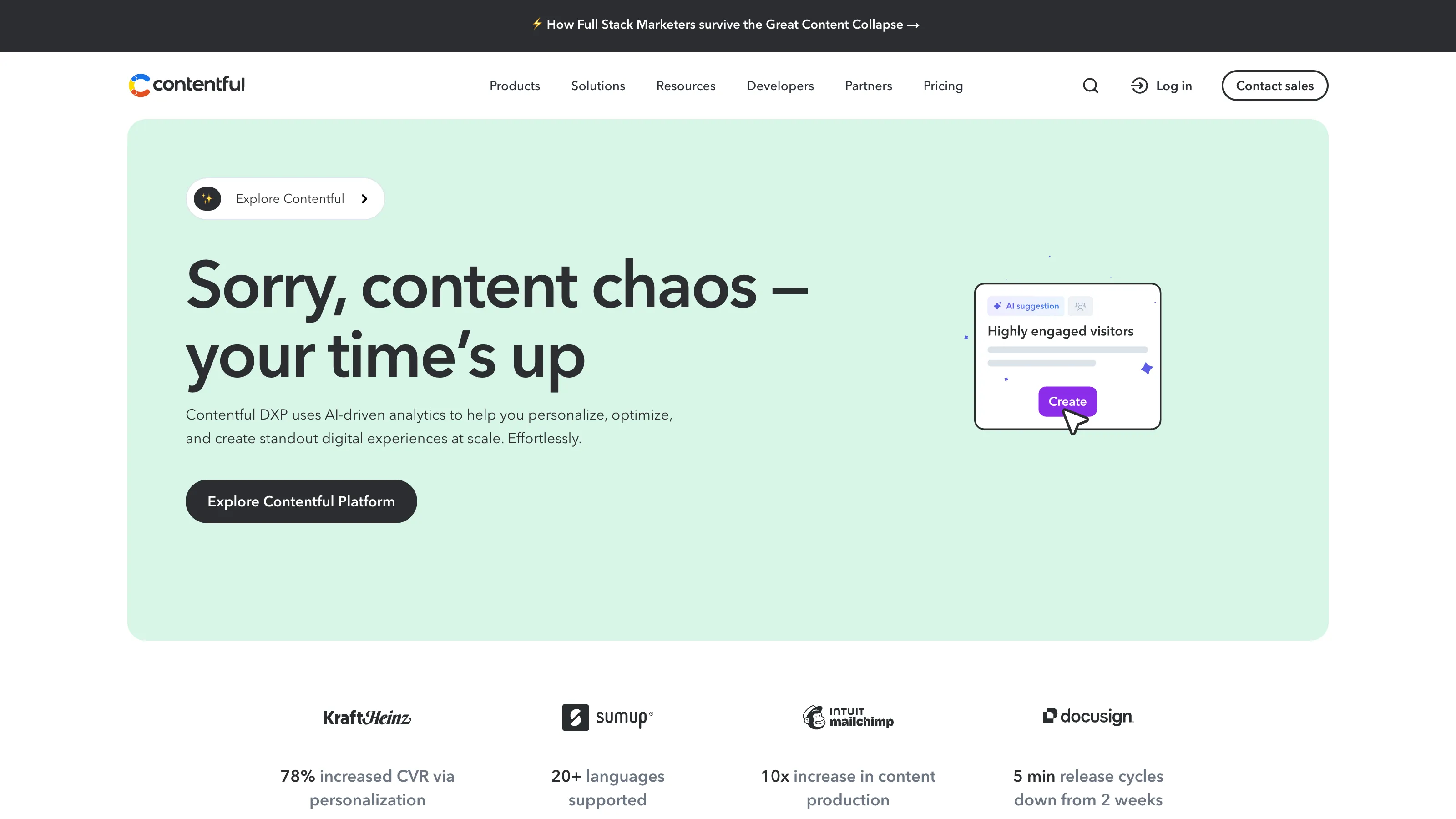
The reference for many years for large companies.
Why?
- Robust and proven infrastructure
- Native multi-language support
- Very rich ecosystem
Limitations:
- Expensive at scale
- Organizational complexity
Best for: international groups, large-scale projects.
3. Prismic: The right balance between simplicity and performance
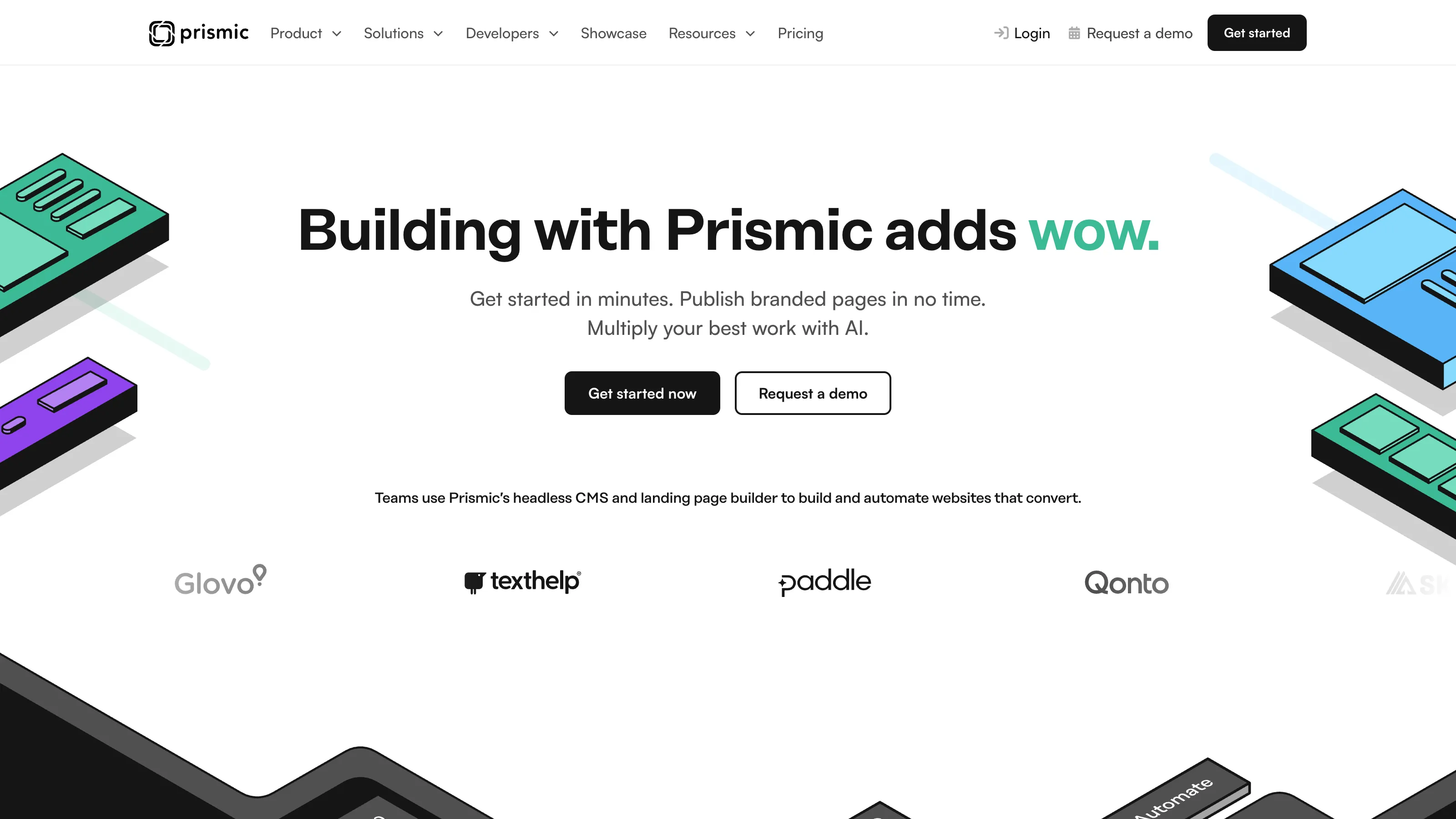
A solid alternative between dev and marketing. The tool has a strong reputation and has been widely used by many companies and scale-ups for several years, such as Greenly or LVMH.
Why?
- Easy to get started
- Slice Machine (component-driven approach)
- Good balance between DX / UX
- Active community
Limitations:
- Less suited for highly complex / multi-source architectures
Best for: mixed product teams, marketing websites with structured content.
4. Strapi: The open-source leader
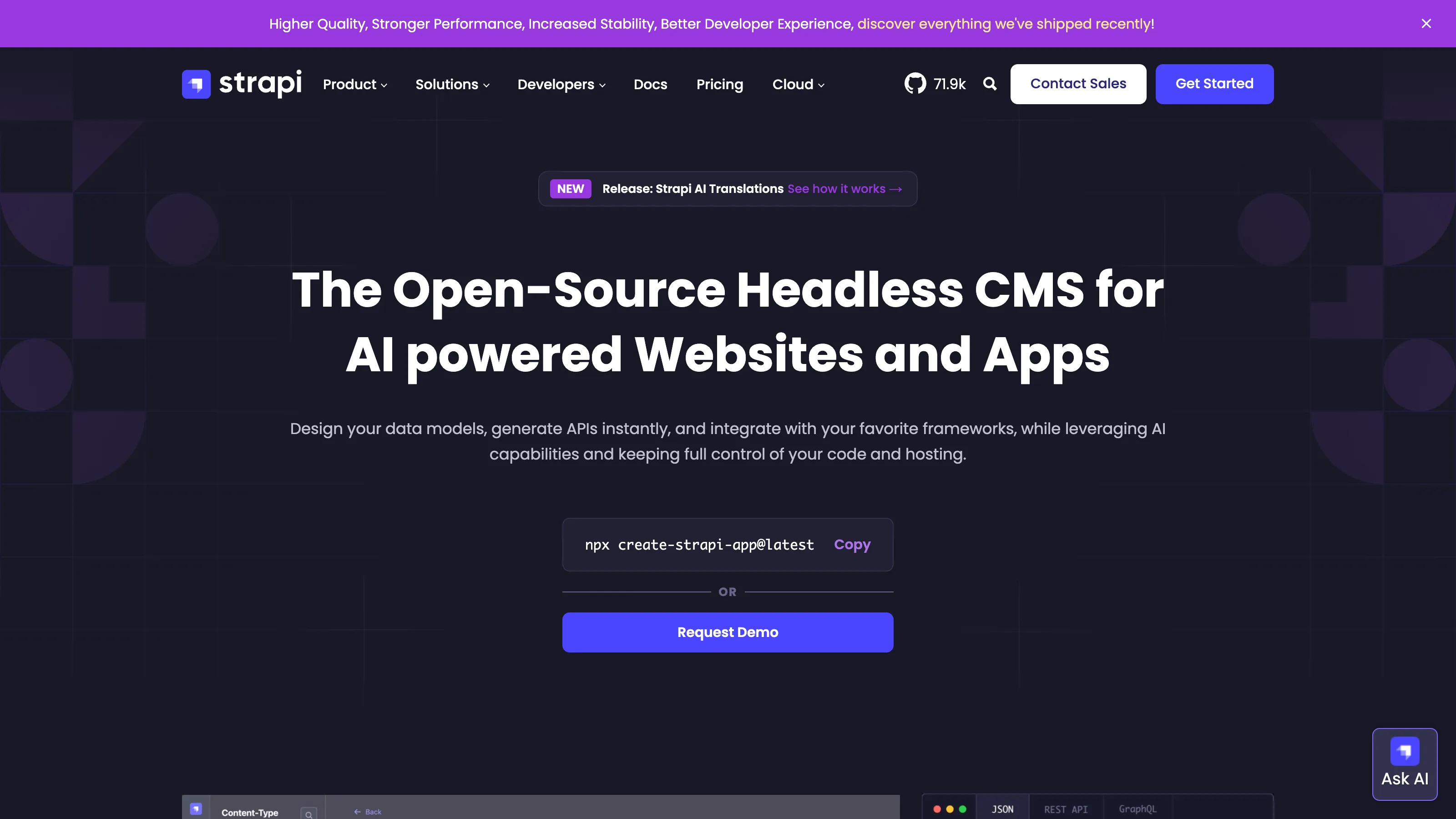
Strapi offers full control and is free (two advantages of open source), but is more technical to integrate for non-technical teams (a constraint of open source).
Why choose Strapi:
- Open source
- REST + GraphQL out of the box
- Customizable
- Advantage in data ownership
Limitations:
- Maintenance handled by your team
Recommended for: startups, custom projects, controlled technical infrastructure / costs.
5. Storyblok: An option for marketing teams
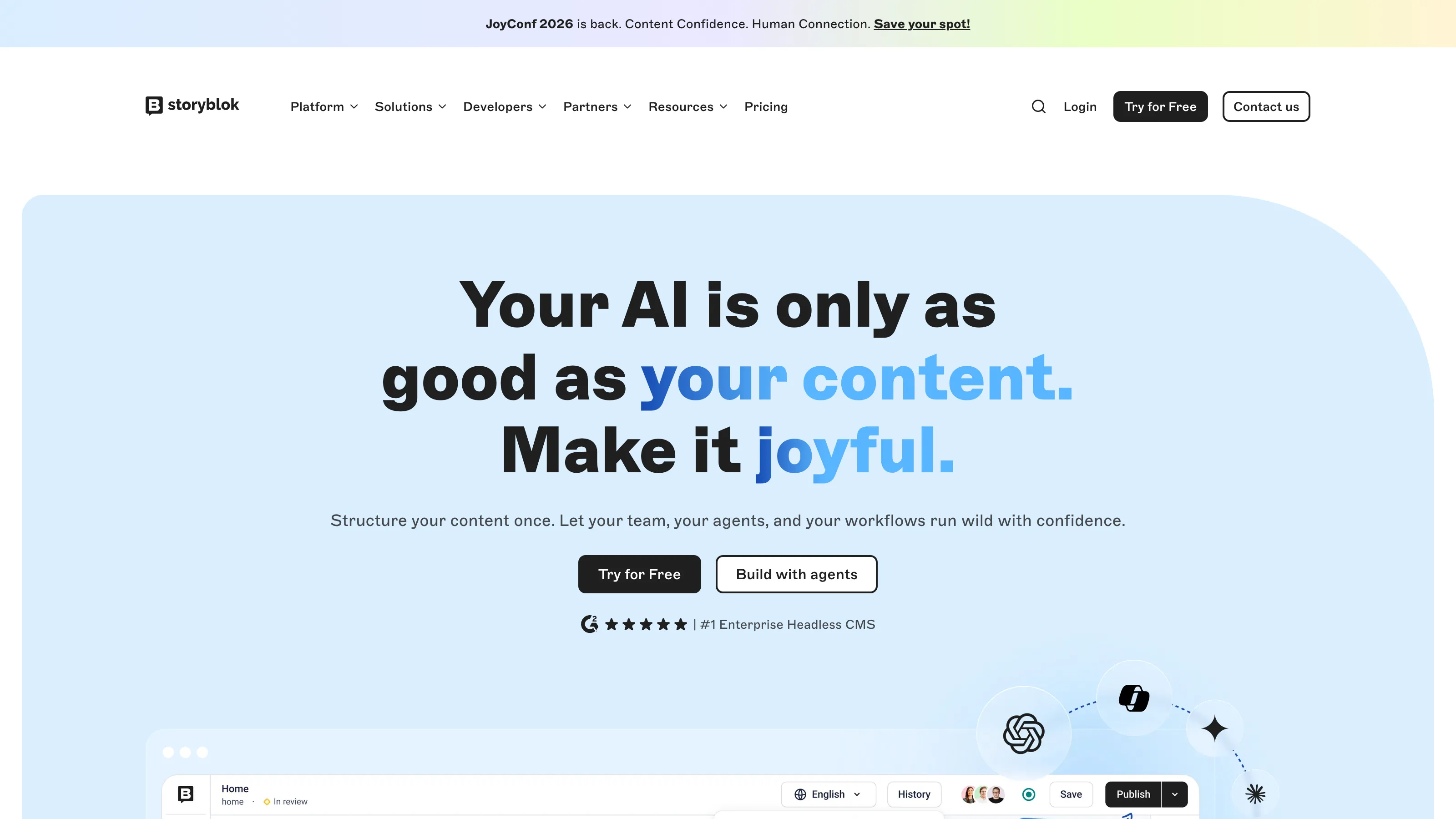
With its “visual-first” approach, Storyblok adopts patterns that appeal to marketing teams familiar with website builders like Wix.
Why?
- Native visual editor
- Strong marketing autonomy
- Well-designed component logic
Best for: growth teams, marketing teams that want autonomy without relying on developers.
Direct competition:
- Prismic (Slice Machine)
- Webflow (for certain use cases)
6. Payload CMS
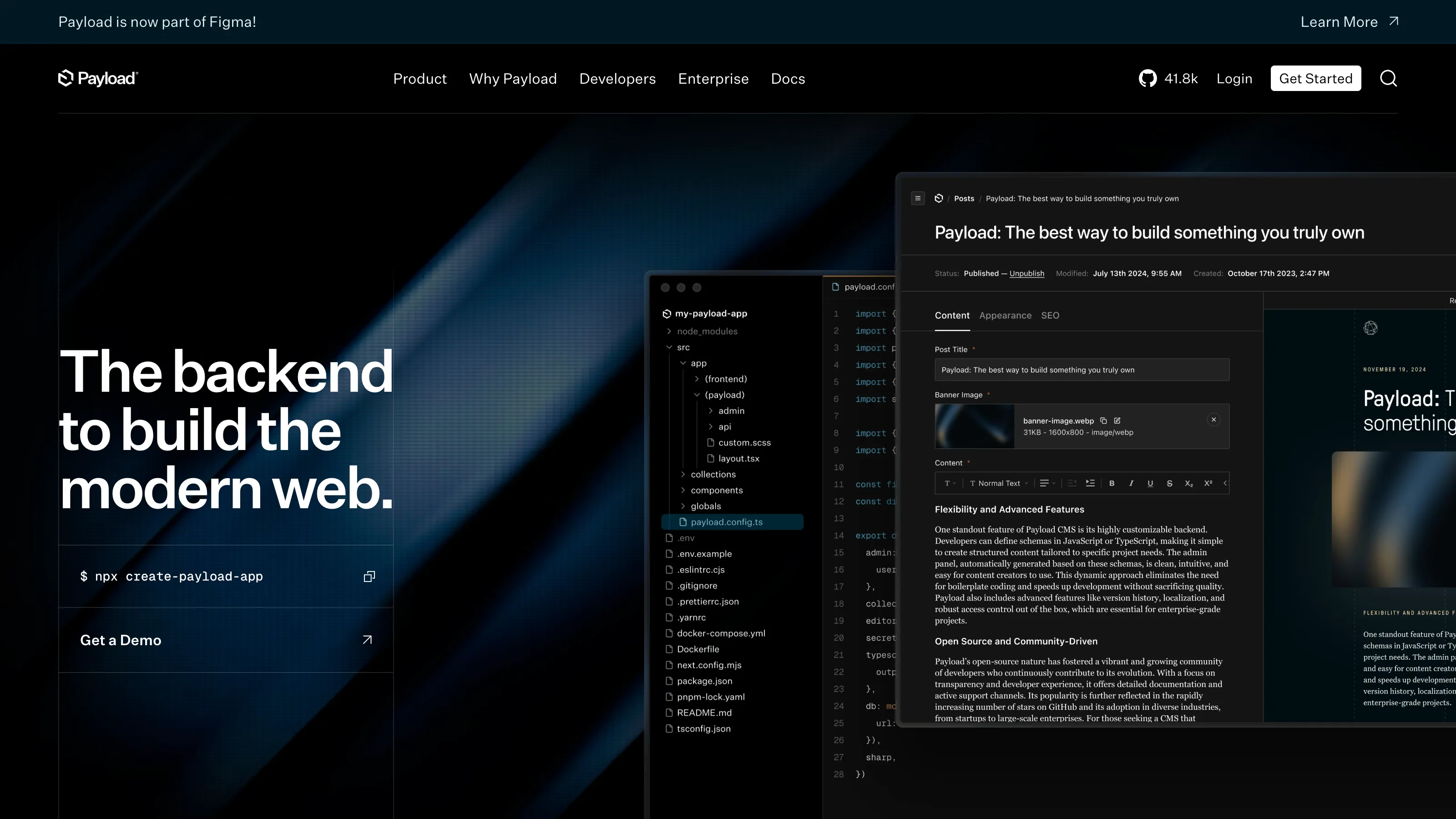
Payload is a modern “API-first” and AI-native CMS. A more developer-oriented solution, aligned with a composable architecture approach.
Why:
- Open source and self-hostable
- Native TypeScript
- Ultra flexible (backend logic + CMS)
- Very strong fit with modern stacks (Next.js, custom apps, AI agents)
Limitations:
- Limited marketing interface (less “user-friendly”)
- Requires technical resources
Best for: tech teams, custom products, projects where the CMS becomes a core backend component.
And what about Webflow?
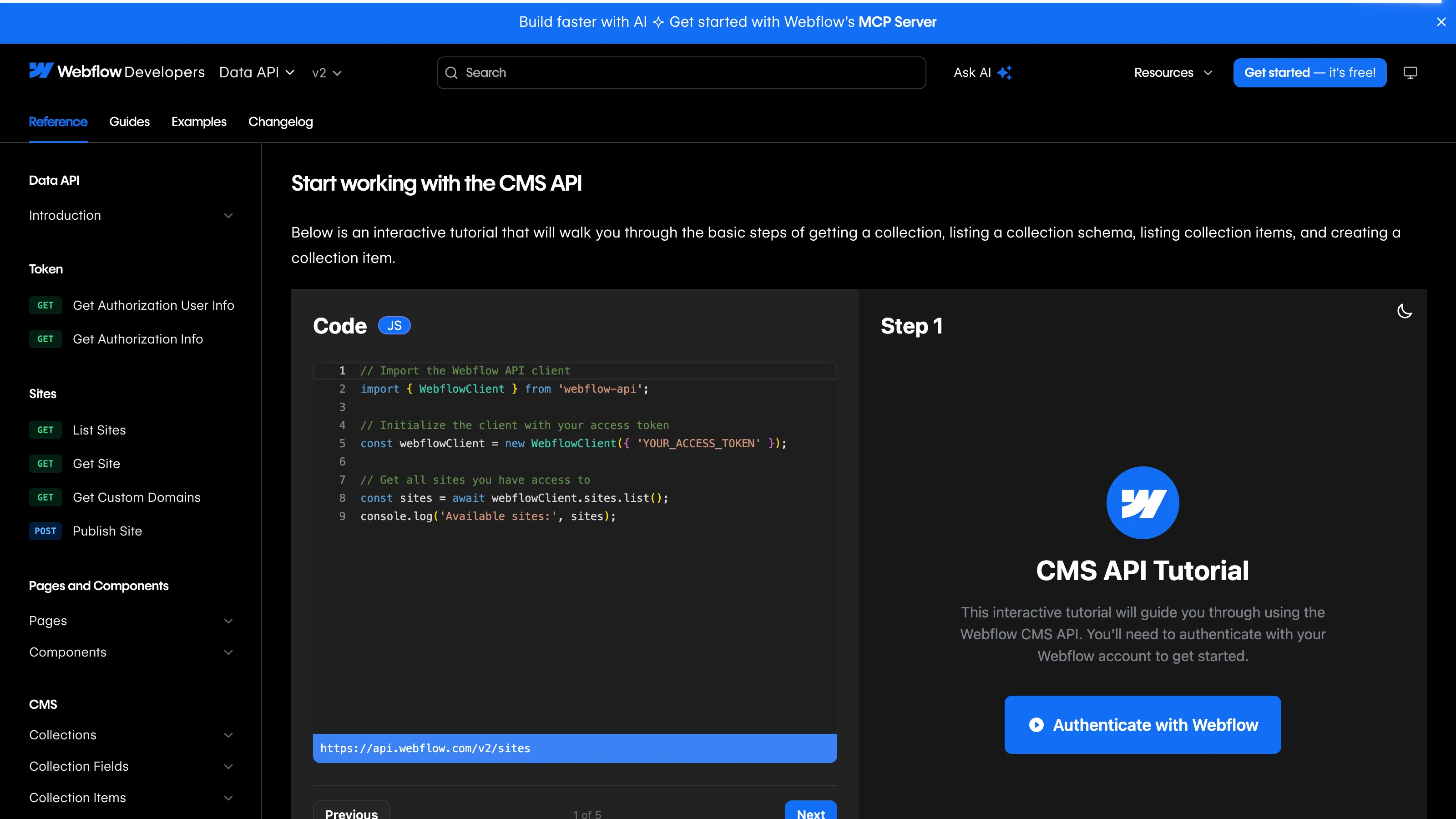
Webflow is not a “pure” headless CMS… but although it’s not well known for this use case, it can be used as one.
Why it’s interesting:
- CMS API & Webhooks
- Strong coupling between design + content
- Intuitive editing interface for marketing teams
In practice, Webflow is more often used in a hybrid approach rather than a true headless setup. Hyper relevant if your team already operates within Webflow.
Conclusion
There is no “best headless CMS”. Only choices to be adapted based on your needs, your technical knowledge, and your bet on where the web is heading.
Because in a world where Claude is increasingly breaking technical barriers, we can even question whether this way of choosing and comparing a headless CMS will last.
Tomorrow, with AI assistance, any marketing team will be able to integrate any technology into their stack. At that point, a good headless CMS will no longer be just a publishing tool. It will become the most exploitable “growth” foundation for the front-end, automations, and AI agents.
And for now, Sanity seems to have taken the lead in this space.



.webp)